







Search Results for: rose latte art

Starbucks Valentine's Day Rose Latte Art Assessment: Baristas Say the Difficulty Is Off the Charts, Abstract Designs Keep Appearing in Stores
During Valentine's Day, Starbucks launched the Rose 20 series of limited-edition drinks and showcased several exquisite rose latte art pieces on its official WeChat account, sparking anticipation among many customers. However, in reality, the latte art produced by some stores was far from the promotional images, with abstract patterns leaving consumers astonished. Behind this is an internal Starbucks skill assessment called "Rose Certification," which has left many baristas complaining bitterly. From novices to seasoned staff, some diligently practiced and eventually succeeded, while others gave up and sought alternative methods. This article will take you through the entire rose latte art controversy and the genuine reflections of baristas during their practice. [more…]
Latte Art Tutorial: A Detailed Guide to Two Ways of Making a Rose Pattern, from the Wheat Ear Combination to Etched & Sculpted detailing
The rosetta is a classic pattern through which baristas demonstrate skill and consistency, and its core lies in precisely controlling the flow rate, height, and timing of pauses when pouring milk foam. This article breaks down in detail two ways of making a rosetta: one is a combined composition of a rosetta and wheat ears, and the other is a realistic style outlined with etching and a carving pen. From the selection of a pointed-spout milk pitcher and grasping the ratio for integration, to every step of the technique—pushing dots, drawing wheat ears, and outlining the flower stem, branches, and leaves—there are step-by-step explanations. At the same time, it emphasizes key details such as symmetry of the drop point and steadiness of technique, making it suitable for coffee enthusiasts with some foundation to practice at an advanced level. Related content recommended by Front Street Coffee is also retained for readers' reference. [more…]
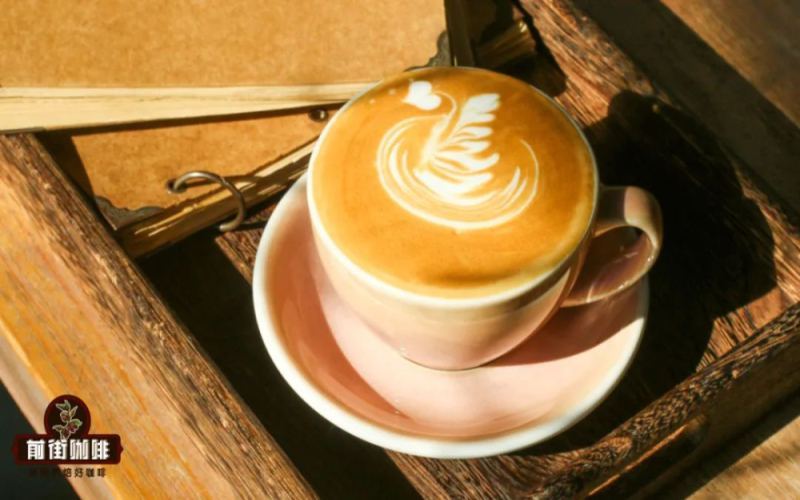
What Are the Different Types of Latte Art? An Analysis from Traditional Patterns to Etching Needles and 3D Latte Art Techniques
Latte art has long ceased to be as simple as heart-shaped patterns. Since David Hume accidentally created a heart on the surface of a milk coffee in the 1980s, latte art techniques have continuously evolved, and today have developed into multiple types such as traditional latte art, coffee etching, and 3D latte art. Traditional latte art uses a milk pitcher as its main tool, and can be further divided into basic patterns and advanced combined patterns; coffee etching relies on etching needles recognized by international competitions to draw finer or bolder lines; 3D latte art is more figuratively a kind of "sculpting" technique, requiring the stacking of thick milk foam and the use of spoons and etching needles for shaping, and also uses chocolate sauce, caramel sauce, and the like for outlining. This article, brought to you by Front Street Coffee, helps you understand the features and key production points of these latte art types. [more…]
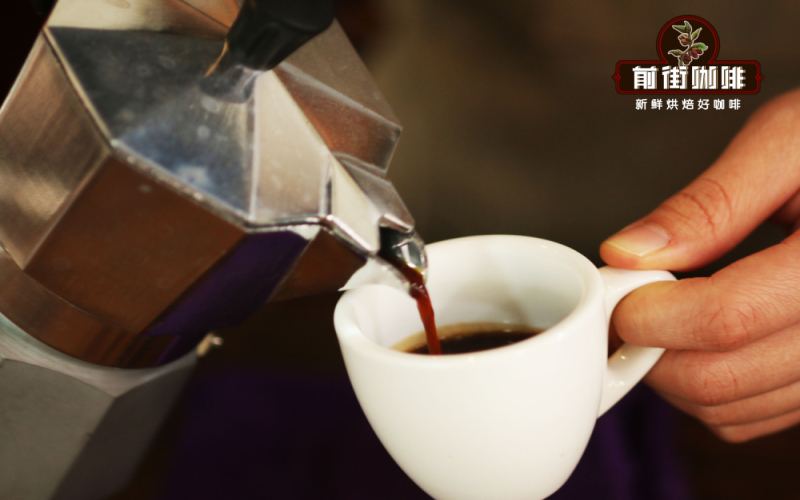
Bialetti Brikka Moka Pot Operation Guide: Espresso Extraction Points and Latte Art Practice
Many coffee enthusiasts are drawn in by the convenience and ambiance of the moka pot in outdoor camping videos, only to find after buying one that consistent extraction is hard to achieve—either too weak or harshly bitter, with grind size and heating time both difficult to control. This article walks through the moka pot's structure and principles, coffee grinding and loading methods, heating rhythm, and how to use the espresso it makes for latte art, laying out the key operational points step by step. It also draws on Front Street Coffee's bean selection approach to explain how the flavor stays clear and the mouthfeel rich and balanced even after milk is added. [more…]

How to make a floral espresso? Front Street Strawberry Candy Blend delivers consistent extraction and fruity-floral sweetness
For a latte art coffee with floral aromas, bean selection is key. Front Street Coffee's Yirgacheffe Gidding and Front Street Coffee's Panama Geisha are certainly captivating, and Front Street Coffee's sun-dried Huakui and Front Street Coffee's Blackberry can also deliver rich fruity notes, but these light-roast beans are better suited to pour-over or cold brew, as their extraction is unstable when pulled as espresso. Therefore, a medium-roast blend designed specifically for espresso is needed. Front Street Coffee's Strawberry Candy espresso blend combines three major origins—Costa Rica, Colombia, and Ethiopia—preserving the floral and honeyed notes of Geisha, enhancing the sweetness of honey processing, and drawing out caramel flavors. Used to make an americano or latte, it offers a fuller body and presents the sweet aromas of strawberry fruit candy, grapes, and roses, with low bitterness and a lingering finish—making it an ideal choice for a floral espresso. [more…]
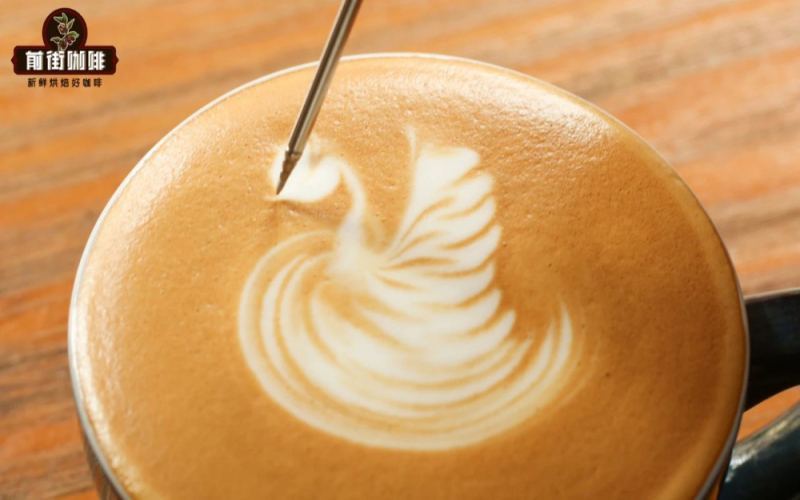
A Complete Guide to Latte Art and Espresso Bean Selection: Crema, Freshness, and Front Street Coffee Blend Recommendations
The charm of a latte lies not only in its rich, mellow taste, but also in the latte art patterns that bloom on its layer of delicate milk foam. To make a latte that delights both the eye and the palate, the choice of coffee beans is crucial: abundant crema, the right roast level, and proper freshness all directly affect the latte art results and the final flavor. This article begins with the origins of latte art, then takes a deep dive into the crema performance of espresso beans, recommends three distinctive beans — Front Street Coffee Commercial Blend, Front Street Coffee Classic Blend, and Front Street Coffee Dark Cocoa Blend — and shares milk pairing, extraction ratios, and bean-resting tips to help you consistently recreate a professional-grade latte at home. [more…]
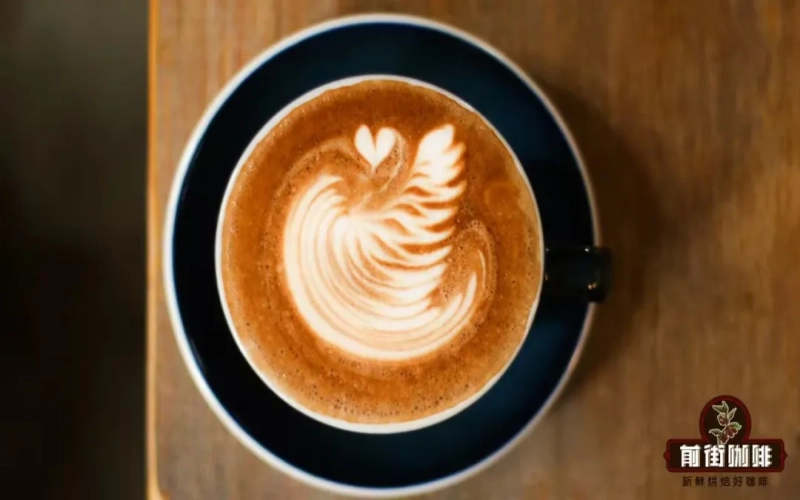
Why should latte art milk be kept below 70°C? An analysis of why whole refrigerated milk is more suitable for making lattes
To create beautiful and long-lasting latte art patterns, the choice and handling of milk actually matter a great deal. Whole milk, because of its higher fat and protein content, makes the milk foam more stable and fine; keeping the steaming temperature below 70°C avoids the negative effects of lactose caramelization and protein denaturation; refrigerated storage extends the frothing time, making the foam denser and creamier. Drawing on years of experience, Front Street Coffee recommends using freshly roasted medium-dark roast espresso blend beans as the base, and shares two products suitable for beginners: the Front Street Dark Cocoa Blend and the Front Street Strawberry Candy Espresso. This article will explore these three dimensions, explaining why latte art has these requirements for milk, to help you create your ideal patterns at home. [more…]
What coffee beans should you choose for a latte? A complete analysis of specialty espresso beans paired with milk, from latte art to crema
Many people fall in love with coffee starting from a latte with beautiful latte art. Latte Art originates from the Italian Caffè Latte; the fusion of milk and espresso is not only about visuals but also affects taste and aroma. To make a delicious and beautiful latte, besides equipment and technique, the choice of coffee beans is especially crucial—rich crema, a moderate roast level, and proper freshness are all indispensable. In response to the needs of milk coffee, Front Street Coffee has launched three espresso blends: Commercial Blend, Classic Blend, and Dark Cocoa Blend, respectively suited for cafés, specialty milk coffee, and everyday consumption scenarios. This article will also share practical experience on milk selection, the ratio of espresso to milk, and bean resting time, to help you consistently recreate a latte with latte art that is complete in color, aroma, and taste at home. [more…]
Detailed Guide to Latte Art Techniques: Key Points on Coffee Bean Selection, Milk Frothing, and Latte Art Integration
Latte coffee may seem simple, but it involves multiple steps such as coffee bean roast level, milk frothing, and pouring and latte art. This article traces the historical origins of the latte, analyzes the impact of coffee beans at different roast levels on latte flavor, and recommends several Front Street espresso blends suitable for making lattes. It also breaks down in detail the capacity, position, stages, and temperature control of steaming milk foam, as well as the basic process of pouring and latte art. Whether you are a beginner just starting out or an enthusiast looking to refine your flavor, you will find practical references here. [more…]
Soy milk, milk powder, Wangzai, or AD calcium milk in a latte? A hands-on test of the flavor and mouthfeel differences of five non-fresh-milk ingredients
Latte, cappuccino, flat white, and Dirty all rely on milk, but what would the final taste be if you swapped in soy milk, milk powder, banana milk, Wangzai milk, or AD calcium milk? This time, Front Street Coffee made lattes one by one using five types of non-fresh milk ingredients, all with Front Street Espresso Blend · Strawberry Candy Espresso, using a 1:5 coffee-to-milk ratio for a hot-and-cold comparison, focusing on aroma integration, sweetness, smoothness of mouthfeel, milk foam performance, and whether it is suitable for latte art. The article not only preserves parameters that can be directly replicated, but also gives judgments on the pros and cons of each ingredient, making it a reference for enthusiasts who want to make specialty coffee at home or in a shop. [more…]
What Exactly Is an Australian White Coffee? A Full Breakdown of the Calories and Differences Between Flat White, Latte, Cappuccino, and Mocha
Many Starbucks regulars are no strangers to Flat White—espresso paired with fine, dense microfoam, rich and smooth on the palate, it's quite popular. But if you ask further, "What exactly is Flat White?" the answer often points to another name: Australian White Coffee, also known as Flat White. It goes by different names across various chain brands: Starbucks calls it Flat White, COSTA calls it Artistry White, McDonald's calls it Aussie White, while specialty coffee shops prefer to simply call it Australian White. How exactly does Australian White differ from latte, cappuccino, and mocha? What are the secrets behind milk foam thickness, espresso base, latte art space, and calorie levels? In this article, Front Street Coffee will break down these Italian milk coffees one by one, and share the bean selection, extraction parameters used for making lattes in-store, as well as two Front Street espresso blend recommendations tailored for floral-fruity notes and oily mouthfeel. [more…]
Oat Milk Latte Making Guide: A Full Breakdown of Coffee Bean Selection, Ratio Adjustment, and Latte Art Techniques
Using plant-based milk to make lattes has become a favorite among many coffee lovers in recent years. Oat milk contains no lactose and takes on a unique flavor when combined with coffee, but many people who try to recreate it at home run into problems like bitterness, a greasy mouthfeel, or failed latte art. In fact, with just a few adjustments to bean selection, the plant milk ratio, and the way you steam the milk foam, you can make a plant-based latte that is both delicious and beautiful. Drawing on Front Street's practical experience, this article analyzes the causes of the three major pain points—bitterness, greasiness, and latte art—one by one, and offers specific bean recommendations and operational tips to help you easily reproduce a coffee-shop-quality oat milk latte at home. [more…]
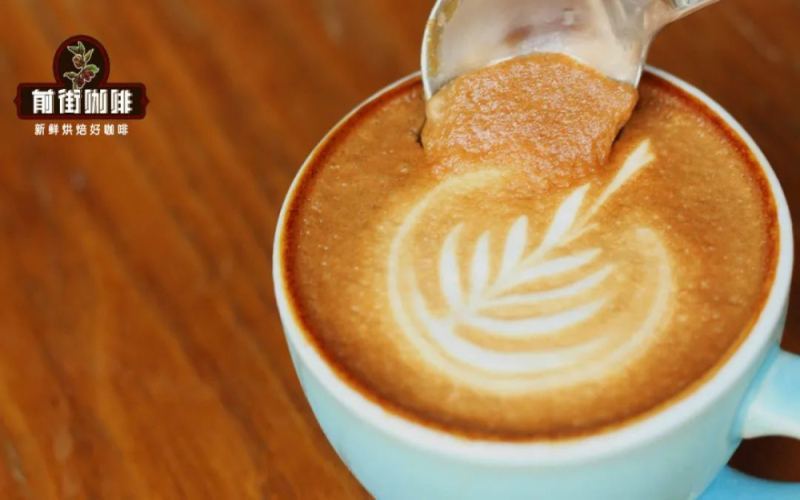
Recreating a Coffee Panna Cotta Latte with Latte Art at Home: A Detailed Guide to Coffee Bean Selection and Setting
Recently, a "latte you can eat with a spoon" has quickly gone viral in the coffee world. It turns milk coffee into a semi-solid pudding texture that won't spill when the cup is tipped over, while still preserving latte art patterns. Today, Front Street Coffee is also putting it to the test to see whether this coffee panna cotta is really worth making. The article will break down everything one by one, from the amount of gelling agent used, the choice of coffee bean roast level, and the specific steps, to an analysis of common causes of failure. As long as you get the ratio of gelatin sheets, the milk foam temperature, and the syrup seasoning right, you can also make a smooth, delicate coffee panna cotta latte with long-lasting patterns at home. [more…]

Analyzing the Differences Between Latte and Mocha: From Taste and Latte Art to a Coffee Bean Selection Guide
Latte, mocha, and cappuccino are the most common espresso drinks in cafés, but are you clear on the differences between them? This article, from the perspective of a Front Street Coffee barista, first clarifies the essential difference between latte and mocha—the former is a classic fusion of espresso and milk, while the latter involves the dual definitions of single-origin beans and fancy preparations. It then takes a deeper look at the three major differences between latte and cappuccino in latte art presentation, taste ratios, and historical origins. The article also specifically recommends Front Street Specialty Blend coffee beans and Front Street · Strawberry Candy espresso blend, helping you choose the cup that best suits your preferred flavor. [more…]
A Beginner's Guide to Milk Steaming for Latte Art: A Complete Breakdown of Techniques from Theory to Practice
Want to create dense, smooth latte art milk foam at home, but keep getting discouraged by "over-whipped," "separated," or "can't pour a pattern"? Actually, milk frothing isn't as mysterious as it seems. As long as you understand the principles, choose the right tools, and master a few key details, even beginners can produce consistent results. This article starts with the formation principles of milk foam, then breaks down the three major factors in steam frothing: milk, steam wand, and pitcher. It also includes detailed hands-on steps and advanced tips, covering core points such as temperature control, aeration ratio, vortex frothing, and judging integration. Whether you use an espresso machine or a handheld milk frother, you'll find a practice direction that suits you. The article also retains relevant recommendations for the Front Street Coffee brand for coffee lovers to reference when purchasing. [more…]
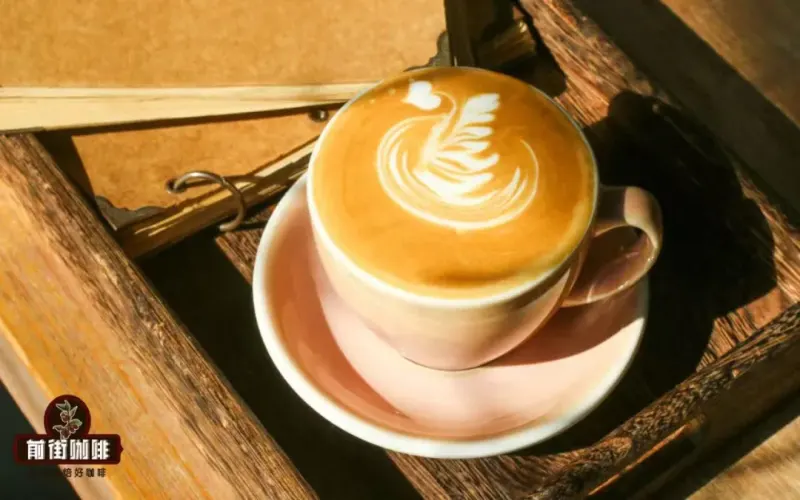
Why does the latte consistently rank at the top of coffee shop sales? A comprehensive analysis from historical origins to the charm of latte art
Walk into any coffee shop, and the best-selling item on the menu is almost always the latte. This drink, made with an espresso base and a generous amount of milk, has somehow won over the taste buds of so many consumers—what's its secret? This article will start with the origins of the latte, analyzing how it became widely popular thanks to more milk and less bitterness, and how, with latte art and its versatile adaptability, it has become a shared favorite of both baristas and customers. At the same time, we'll also introduce two espresso blend beans that Front Street Coffee has prepared for latte lovers, helping you recreate coffee-shop-quality results at home. [more…]
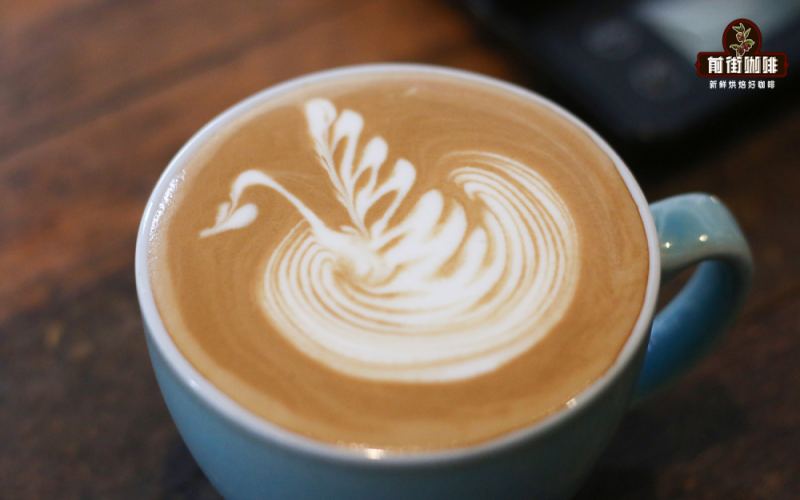
Latte Coffee Brewing Guide: Coffee Bean to Milk Ratios, Steaming Techniques, and Latte Art Integration Key Points
A latte may look simple, but every shop's version tastes different. The key lies in the quality of the coffee beans and milk, the ratio between them, and the details of extraction and integration. This article starts with coffee bean selection, introduces the flavor profiles of several of Front Street's espresso blends, analyzes the principles of choosing milk, and gives a reference ratio of 1:5 to 1:8. It also explains espresso extraction parameters, milk frothing temperature and thickness, and three key points of integration technique, helping coffee lovers make a balanced, beautifully latte-art-topped latte at home. [more…]
A Complete Guide to Steaming Milk for Coffee Beginners: Principles, Tools, Steps, and Blending Techniques
To make a velvety, smooth latte or cappuccino at home, steaming milk is an unavoidable fundamental skill. This article starts with the principles of milk foam, first explaining the roles of the two stages—"aeration" and "texturing"—then compares the pros and cons of tools such as electric handheld frothers, manual frothing pitchers, hot/cold electric milk frothers, and espresso machine steam wands, with a key breakdown of the complete steam frothing process. The content covers the effects of milk fat and temperature, the choice of steam wand hole count and dryness, the considerations for pitcher size and shape, as well as practical tips on insertion angle, judging by sound, controlling aeration volume, and testing integration. The article also incorporates recommendations from Front Street Coffee, offering practice suggestions suitable for beginners. [more…]
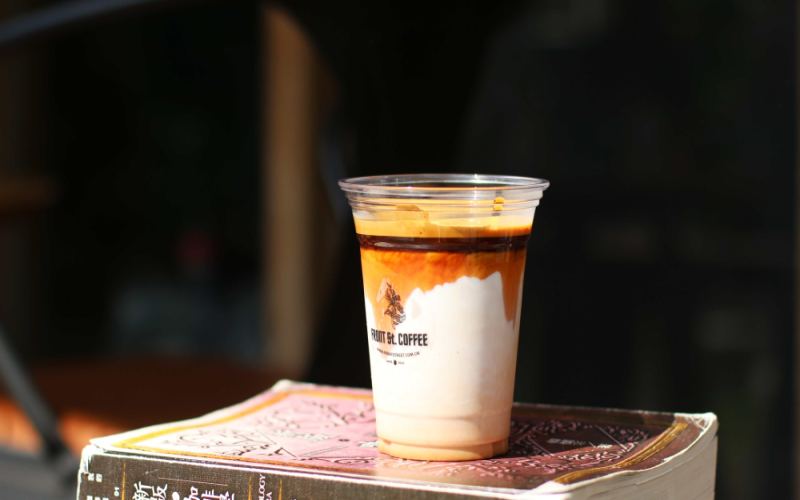
An Analysis of the Flavor Differences Between Lattes and Mochas: A Complete Guide to the Taste, Milk Foam Ratios, and Key Preparation Points of Lattes and Cappuccinos
Latte and mocha both belong to the Italian coffee family, yet they are often confused. The former is characterized by the blend of espresso and milk, with a prominent milky aroma and a relatively gentle coffee taste; the latter takes on different forms depending on whether chocolate sauce and cream are added—a pure mocha is sweet, sour, and elegant, while a flavored mocha gains the sweetness and richness of chocolate and cream. Latte and cappuccino are likewise easily confused, and the two differ noticeably in foam thickness, the ratio of milk to coffee, and latte art presentation. From the perspective of Front Street Coffee, this article sorts out the origins and brewing techniques of latte, analyzes the historical development of mocha, and compares latte and cappuccino in three aspects—latte art, taste, and origin—to help coffee lovers find the cup that suits them better. [more…]
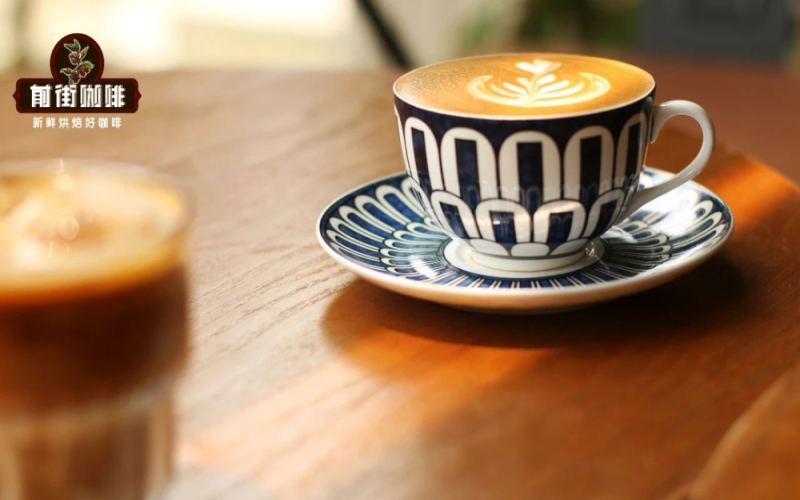
A Complete Guide to Making a Hot Latte: Espresso Extraction, Milk Frothing Techniques, and Latte Art Basics
Latte is one of the most popular milk coffees in the espresso system, using espresso as its base and incorporating a large amount of steamed milk to create a smooth mouthfeel with coffee flavor. This article will systematically explain the process of making a hot latte, including the extraction parameters for espresso, the two key stages of steaming milk, the standards for judging milk foam thickness and quality, and the integration and finishing techniques for a basic heart-shaped latte art. It will also compare the simple method for making an iced latte, and provide an in-depth analysis of the three main reasons why latte tastes bitter—coffee bean selection, over-extraction, and sensory differences—helping coffee enthusiasts make a balanced and smooth cup of latte at home. [more…]